The brief does half the work
Most disappointing talks are a briefing failure, not a speaker failure. They gave the talk they always give, because nobody asked for a different one.
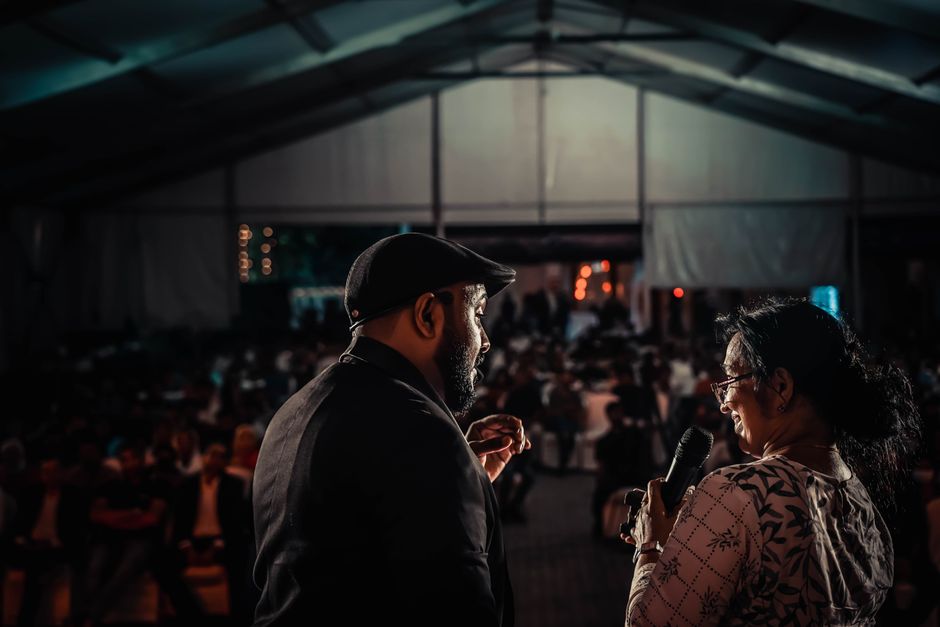
Tell them who is listening
Seniority, background, what the audience already knows and what they came for. A speaker given this will calibrate; one given only a title and a time slot will default to their standard material.
Ask for one idea
A brief that asks for a single argument rather than an overview produces sharper sessions. Overviews are what speakers prepare when they are unsure what is wanted.
Reputation is a weak signal
Being excellent at something and being able to explain it to a room are unrelated skills. A short video of the person actually speaking is worth more than any biography.
Decline politely but decline
Programmes are frequently weakened by one slot given out of obligation — a sponsor, a long-standing contact, somebody's colleague. The audience cannot tell why that session is there, only that it was worse than the others.
Brief the chair too
Chairs are usually recruited late and told almost nothing, then expected to manage time and ask good questions. Giving the chair the same briefing as the speakers costs nothing and improves every session they touch.
Pay people, or say why not
Whether speakers are paid shapes who can afford to appear, and an unpaid programme quietly selects for people with institutional backing. If the budget genuinely does not allow it, say so when inviting rather than leaving it unmentioned.